What Makes a Pizza Restaurant Worth Returning To
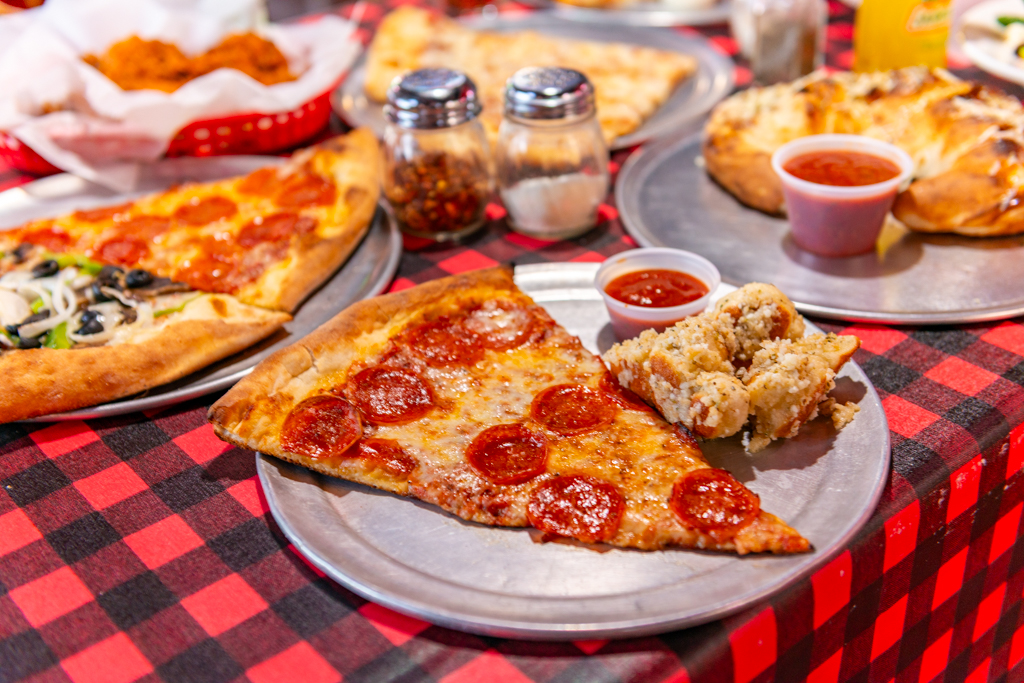


A first visit can happen for all sorts of reasons. Convenience. Hunger. A recommendation from a friend. A photo that looked good enough to interrupt an evening plan. But repeat business is built differently. People return to a pizza restaurant when the place earns trust, and trust in hospitality is never based on one thing alone.
Great pizza matters, obviously. It is the center of the meal and the reason anyone walks through the door in the first place. Still, anyone who has spent time in restaurants knows that memorable food and reliable business performance are not always the same thing. Some places make an excellent pie once and disappoint the next three times. Others never become anyone’s favorite, yet stay busy because guests feel taken care of. The pizza restaurant worth returning to sits in the harder middle ground. It serves food with real character, but it also gets the fundamentals right often enough that guests stop treating the visit as a gamble.
That combination is more demanding than it looks. Pizza seems simple from the dining room. Dough, sauce, cheese, heat. From the kitchen, it is a chain of variables that can go wrong in small ways that the guest feels immediately, even if they cannot name them. Fermentation, hydration, proofing, oven recovery, topping balance, hold times, cutting, boxing, and delivery all shape the final experience. Add service, cleanliness, pricing, and atmosphere, and the question becomes larger than whether the crust has a good chew.
The pizza restaurant people come back to usually does several unglamorous things extremely well. It respects consistency without becoming dull. It knows what kind of place it is. It creates comfort while still giving guests a reason to care.
The pizza has to have a point of view
A restaurant does not need to make every style of pizza. In fact, trying to cover every category often weakens the identity of the place. What matters more is that the pizza tastes intentional. A guest should be able to tell, after a slice or two, what the kitchen believes good pizza is supposed to be.
That could mean a thin, crisp New York style with enough structure to fold but no cardboard stiffness. It could mean a blistered Neapolitan pie with a tender center that demands to be eaten right away. It could mean a pan pizza with deep caramelization around the edge and a rich, almost fried underside. Different styles can all be excellent. Confusion is what hurts a restaurant. A dough built for one approach but topped and baked like another rarely satisfies for long.
Intent shows up in small decisions. If the sauce is bright and restrained, the kitchen is probably trying to let the crust and cheese speak. If the cheese blend has noticeable sharpness or stretch, that is not accidental. If the pepperoni cups and chars, that reflects heat management and product choice. Guests may not describe these details in technical language, but they recognize coherence. They feel when the pie has been thought through.
This is one of the main differences between a pizza restaurant that becomes part of someone’s routine and one that stays a one-time stop. The returnable place gives people a flavor memory. It offers a specific craving, not just generic satisfaction.
Consistency is more valuable than occasional brilliance
Most restaurant owners would rather be praised for greatness than for steadiness. Yet for repeat traffic, steadiness wins. A guest who has one transcendent pizza and then two mediocre follow-ups will not build a habit around that experience. They may talk about the great night for months, but they will hesitate to place the next order.
Consistency in pizza is difficult because the process is alive. Dough changes with time, room temperature, flour behavior, and handling. An oven that is overloaded recovers differently than one running a slower service. A cook on a rushed Friday night makes different decisions than the same cook at 2:30 on a Tuesday. The best operators know this and build systems that narrow the range of outcomes.
You can usually spot those systems without seeing the prep room. The crust color is similar from visit to visit. The center is not soupy one day and dry the next. The amount of cheese is stable enough that a familiar pie feels familiar. The kitchen may still have minor variation, which is normal and even desirable in a handmade product, but the swing is limited. The restaurant respects the guest enough not to make them recalibrate their expectations every time.
I have seen small independent shops earn astonishing loyalty with nothing flashy at all, simply because the owner understood this principle. People knew exactly what they were going to get, exactly how long it would take, and exactly whether the kids would eat it without complaint. Predictability is not boring when dinner is the thing standing between a family and a bad evening.
Service shapes memory more than many operators admit
People forgive a slightly imperfect slice more easily than they forgive indifference. Hospitality has a long aftertaste. A pizza restaurant becomes worth returning to when the staff can move with urgency while still making guests feel seen.
That does not mean every place has to be warm in the same way. A neighborhood slice shop can be brisk and efficient, with shouted orders and no-nonsense energy, and still be deeply welcoming. A sit-down pizzeria can be more conversational and paced. What matters is that the style of service fits the concept and stays respectful.
The host stand matters because it sets the emotional temperature. So does the person answering the phone, especially in a business where takeout and delivery often make up a large share of revenue. If someone calls to ask whether a half-and-half topping split is possible, the answer does not need to be elaborate. It should be clear, patient, and free of irritation. Those moments sound minor until you stack them over months. Guests remember whether dealing with the restaurant feels easy or like asking a favor.
Server knowledge matters too. Not in a rehearsed, upselling-heavy way, but in a practical one. Can the staff explain the difference between two house pies? Do they know which pizzas run spicy, which salads actually feed two people, which items travel well for takeout, and which dessert is made in-house? Useful guidance is one of the easiest ways to create repeat guests because it lowers the risk of disappointment.
When service breaks down, pizza alone rarely compensates. Slow acknowledgment at the door, boxes left cooling on a counter, confused delivery timing, or a shrug when something arrives wrong all tell the guest the same thing: come here only when you have no better option.
Cleanliness is not decoration, it is credibility
A pizza restaurant can be rustic. It can be loud, flour-dusted, crowded, and imperfectly polished. It cannot feel neglected.
Guests read cleanliness quickly. They look at the floors near the soda machine, the bathroom, the menus, the high chairs, the residue on the shakers, the grease on the front door handle. Most people will never mention these things aloud, but they are constantly collecting evidence about how seriously the business takes itself. That evidence then colors their judgment of the food, even when the kitchen is doing strong work.
Open kitchens raise the stakes. If guests can see the make line, they notice organization, hand movements, and whether the station looks under control. A cook can work fast and still look disciplined. That visual confidence matters because pizza is such a tactile product. The guest is already imagining the dough being stretched, dressed, and baked. Any sign of carelessness follows them to the table.
Cleanliness also affects comfort in a direct way. Sticky tabletops, crowded bussing stations, and unkempt restrooms make people leave faster and hesitate to return, especially families. A parent deciding where to bring children on a weeknight is making a practical decision as much as a culinary one. If the room feels clean and manageable, the restaurant stays in the rotation.
Value is not the same as low price
Price complaints often miss the real issue. Diners will pay more when the experience justifies it. They resist when pricing feels disconnected from what arrives.
A return-worthy pizza restaurant understands its market and builds value honestly. In one neighborhood, that might mean a generous 18-inch pie that feeds four for a fair price. In another, it might mean a smaller artisanal pizza with higher ingredient quality, a polished dining room, and attentive service. Both models can work if the guest sees the logic. Trouble begins when portion, quality, and positioning do not align.
Value also lives in the details around the pizza. Is the salad fresh and properly dressed, or is it an afterthought that feels like a tax? Are beverages priced in a way that feels reasonable? Does the restaurant charge for extras transparently, or does the final total produce sticker shock? If a place positions itself as premium, are the boxes sturdy, the online ordering smooth, and the wait times accurate? Guests do not separate these variables as neatly as managers do. They judge the whole transaction.
There is another side to value that operators sometimes overlook: restraint. Not every pizza needs ten toppings, a finishing drizzle, and a name designed for social media. Sometimes value comes from a pie that has three well-chosen ingredients and excellent execution. Guests return to places that know when to stop.
Atmosphere decides whether people stay, linger, and come back with others
Some restaurants serve very good pizza but fail to become part of people’s lives because the room gives them no reason to stay. Atmosphere is not only design. It is acoustics, lighting, spacing, music, smell, temperature, and the pace of the room.
A pizza restaurant often works best when it has a little friction in the right places. The room should feel alive, but not so loud that every table becomes a private shouting match. The smell of the oven should be inviting, not suffocating. Tables should be close enough to create energy, but not so tight that every server brushing past becomes an irritation. If there is a bar, it should contribute life without hijacking the identity of the place.
Lighting is one of the most misjudged elements in casual dining. Too bright, and the room feels transactional. Too dim, and a pizza that should look blistered and appetizing turns flat and greasy. Good operators understand that pizza is visual food. The crust needs to look crisp. The basil needs to look fresh. The cheese needs to look worth the indulgence.
Then there is the atmosphere created by the staff themselves. You can feel whether a team is coordinated or strained. Guests are remarkably good at sensing when a restaurant is one bad ticket away from chaos. A calm, practiced crew does more than improve service speed. It makes the room feel trustworthy.
The menu should invite repeat visits, not exhaust the guest
Many pizza menus confuse abundance with hospitality. Thirty specialty pies, twenty appetizers, half a dozen wing sauces, pasta, grinders, burgers, tacos for some reason, and a dessert list that reads like a diner at 1 a.m. That kind of menu can produce short-term appeal, but it often undermines quality and identity.
A pizza restaurant worth returning to edits itself. It gives the guest enough range to satisfy different moods and company, but not so much that the kitchen loses focus. A few signatures, a build-your-own option, one or two strong starters, a real salad, and perhaps a dessert people genuinely order, that is often enough.
The strongest menus also account for how people actually use pizza restaurants. Some guests dine in for date night. Some need a fast family meal. Some want slices at lunch. Some need takeout that survives a 20-minute drive. A smart menu reflects these use cases. It includes items that travel well, items that share well, and items that work for people who do not want pizza but are joining a pizza-centered group.
The menu should also signal confidence. If a restaurant’s best pie is buried among gimmicks, regulars may still find it, but many first-timers will not. Restaurants that earn repeat business make ordering easier, not more theatrical.
Handling mistakes is one of the clearest tests of character
Every restaurant makes mistakes. Wrong topping, underbaked center, delayed order, forgotten side, delivery issue, overcharged item. The guest does not expect perfection forever. They do expect competence when something goes wrong.
The places that keep customers after a mistake are usually direct and calm about it. They do not argue over obvious misses. They do not treat a replacement pizza like a personal favor. They fix the issue quickly, apologize without overperforming the apology, and move on. That response often earns more loyalty than a flawless but emotionally neutral transaction.
This matters especially in pizza because timing is so central to satisfaction. A salad can wait a bit. A steak can rest. Pizza has a narrow window where it is at its best. If a restaurant sends out a pie with obvious problems and then hesitates to correct it, the guest does not only lose food quality. They lose the meal occasion. Friday dinner with friends does not get replayed.
https://zionylog738.lakeviewbrief.com/posts/why-families-love-dining-at-a-pizza-restaurantI have watched neighborhood pizzerias build almost irrational devotion because they understood recovery. They knew regulars by name, noticed the error before the customer escalated, and sent out a corrected order fast. Not every business can or should comp aggressively, but every business can respond with professionalism. Guests remember fairness.
A returnable pizza restaurant works for regular life, not just special cravings
There is a category of pizza place people admire more than they use. They praise it, post about it, maybe drive across town for it once every few months. Then there is the place that becomes woven into normal life. That second category usually wins on practical accessibility as much as on culinary merit.
Hours matter. So does parking. So does whether the online ordering system crashes during peak time. So does whether the restaurant can handle a family with two tired children, a solo diner grabbing a slice, and a group watching a game without making any of them feel misplaced. Convenience is not a shallow concern. It is part of hospitality.
The best pizza restaurant in a city may not be the one with the longest line or the most press. It may be the one that gets enough things right, often enough, that people can confidently make it part of a Tuesday. That is a harder achievement than spectacle. It requires discipline.
Repeat guests want emotional ease. They want to know where to stand when they enter, how ordering works, whether substitutions are possible, how long pickup really takes, and whether the staff will stay composed during rushes. The restaurant that removes friction becomes useful, and usefulness paired with genuine quality is powerful.
The places people return to feel personal, even when they are busy
Regulars do not need grand gestures. Often what keeps them coming back is recognition in its simplest form. The server remembers they like extra chili flakes. The counter person knows they always order the same large pie and salad. The manager checks whether the last issue was resolved. This kind of familiarity is not expensive to provide, but it requires stable staff and attention.
That personal dimension can exist in a high-volume pizza restaurant as well as a small one. It comes down to whether the operation sees transactions or relationships. Restaurants that last tend to understand that pizza is rarely just food. It is Friday night relief, post-game dinner, birthday compromise, office lunch, the easiest answer to a group with different preferences, the meal people order when they are too tired to negotiate.
When a restaurant handles those moments reliably, it becomes more than a place that sells dough and cheese. It becomes infrastructure for people’s lives. That is why some pizzerias survive fierce competition and changing trends. Guests are not only loyal to the taste. They are loyal to how the place fits.
What people really come back for
The pizza restaurant worth returning to usually excels in ways that sound plain on paper. It makes pizza with a clear point of view. It keeps quality within a narrow, dependable range. It treats guests with respect. It stays clean. It prices honestly. It creates an atmosphere that suits its identity. It recovers well from mistakes. It understands that convenience and warmth are not secondary to the food, they are part of the product.
None of this guarantees cult status. Not every excellent pizzeria becomes famous, and not every famous one deserves the line. But if the question is what earns repeat business, the answer is not mystery. People return to places that make them feel they made a good decision last time and will make one again.
At a strong pizza restaurant, the pleasure starts before the first bite and lasts after the check is paid. The room feels right. The order process feels easy. The pie arrives as promised. The meal leaves no argument in your head about whether it was worth it. When a restaurant can do that consistently, it stops chasing customers. Customers start building their routines around it.
RUFFRANO'S HELL'S KITCHEN PIZZA Security
385 Main St, Colorado Springs, CO 80911
(719) 390-4355
FAQ About pizza restaurant
Is there a Hell's Kitchen pizza restaurant in Security-Widefield?
Yes. Ruffrano's Hell's Kitchen Pizza has a Security-Widefield location at 385 Main St.
Where can I find pizza delivery in Security-Widefield?
Ruffrano's Security location offers online ordering. Enter your address at checkout to check delivery availability and fees.
Where can I find gluten-free pizza in Security-Widefield?
Ruffrano's menu lists a 12-inch gluten-free option. Call the Security location to confirm availability and ask about shared equipment if cross-contact is a concern.